
DIY electrical work is never a good idea. From electrical fire risks to code violations, there’s a long list of reasons to hire a professional rather than attempting a risky home repair. But sometimes, you can’t help wondering if a previous owner took shortcuts.
Take, for example, if you recently purchased a new home. In this situation, it’s very important to schedule an inspection to spot DIY electrical work, like uncapped wires, overloaded circuits, and improperly grounded outlets.
What Are the Most Common Types of DIY Electrical Mistakes?
During an electrical safety inspection, we check every outlet, switch, breaker, and connection point. Fixing hidden defects and shoddy DIY work is the best way to keep your family safe.
Overloading Circuits
It’s easy to overload a circuit, especially when you don’t know the specific amperage limit of your breaker. Plugging in just one too many high-wattage appliances can result in frequent tripping and voltage drops that dim your lights. This power strain often occurs when someone updates their kitchen or home office without realizing how much electricity modern gadgets pull.
During the safety inspection, we check each circuit to see whether it’s nearing its maximum capacity. We may need to rebalance the load or move heavy-duty devices to a different breaker or even install a dedicated circuit for appliances like sump pumps, washing machines, or EV chargers. This will ensure every room in your home has enough reliable power to run smoothly without risking an electrical fire.
Leaving Wire Splices Exposed
An electrical splice is a connection between two wires, often used to repair damaged lines, extend a circuit, or add new fixtures. Although common, DIY electrical work often forgets to properly secure the joint. You can’t just twist wires together, wrap them with tape, and call it a day. Spliced wiring exposed in walls, ceilings, and crawl spaces is a major safety risk because it creates a high probability of arcing, sparking, and fire.
If we find exposed wire splices during the inspection, we may need to redo the joint before hiding the splice. Putting them in a protective junction box is an industry-standard safety requirement for all homes.
Using Incorrect Wire Sizes
You can’t just hook any wire to any circuit. Different circuits require specific wire gauges to safely carry power from your main electrical panel to your outlets and appliances. People sometimes swap out breakers or extend lines without ever thinking of the wire’s maximum current capacity.
When a wire is too small for the circuit it connects to, it may overheat when electricity flows through it. The heat damage from the excessive resistance may eventually damage the insulation around the copper conductor or even start a fire. A safety inspection checks all of the wiring to make sure it’s the proper size for each connected circuit.
Reversing Hot and Neutral
A conductor is a material, usually copper, that is responsible for carrying the flow of electricity. On outlets, the conductors are a hot wire that delivers the current and a neutral wire that returns it to the source. When installing a new outlet using DIY electrical work, it’s easy to reverse the wire positions without realizing it.
When an outlet has reversed wiring, you may shock yourself when you plug in or touch a device. For your plugged-in appliances, reversed wiring flips the polarity, which can prevent built-in safety features from working and leave the device ‘live’ even when turned off. Our electricians use specialized tools to check each receptacle during the safety inspection. If we find any crossed wires, we’ll know to correct the connections immediately.
Bypassing the Ground Wire
Proper grounding is at the heart of electrical safety. Without it, electricity can stray from its intended path, energizing and damaging metal fixtures, appliances, and outlet covers.
During DIY installations for new light fixtures, ceiling fans, and outdoor outlets, it can be tempting to leave the ground wire disconnected. You may turn on the power and think it’s working fine and safe. In reality, the lack of grounding poses a significant risk of electrical shock. Our safety inspection finds all missing grounds and fixes them with secure connections.
Installing Wrong-Sized Breakers
As your family grows or you build onto your home, it’s very normal to want to expand your electrical panel with more breakers. This is another job that should always be left to a skilled electrician. If you install the wrong size breaker, the consequences can be catastrophic. Appliances may burn out, outlets could smoke, or the panel may overheat.
A regular safety inspection gives us the chance to check everything in the panel. The previous owner may have oversized a breaker or double-tapped a circuit. The inspection ensures every breaker matches the wiring and electrical load it protects. If you want to add an outlet or upgrade an appliance, we’ll install the correct hardware to handle the new electrical demand.
Is Your Home Truly Safe? Find Out with an Electrical Safety Inspection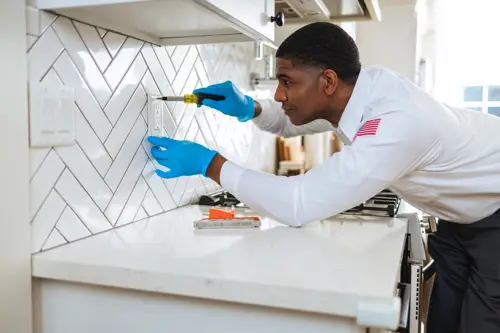
Birmingham Mister Sparky is proud to serve all of Birmingham and the surrounding areas. We have a deep understanding of local building codes and how to fix DIY electrical mistakes. Our comprehensive inspections catch exposed splices, undersized wires, and overloaded breakers before they turn into dangerous house fires.
All of our work comes with a 100% satisfaction guarantee. We even offer 24/7 emergency service for hazardous electrical issues that need immediate attention. Take the first step toward safer wiring—schedule an inspection today. Don’t put up with any malarky; call Mister Sparky!
FAQ’s – Electrical Safety Inspections
What does an electrical safety inspection cover?
A thorough inspection examines every outlet, switch, breaker, and connection point in your home. Inspectors check for overloaded circuits, exposed wire splices, incorrect wire sizes, reversed hot and neutral wires, missing grounds, and improperly sized breakers.
How do I know if a previous owner did DIY electrical work?
Signs can include frequently tripping breakers, dimming lights, outlets that don’t work properly, or a panel that looks disorganized. The surest way to find out is to schedule a professional safety inspection.
Is DIY electrical work actually dangerous?
Yes. Common DIY mistakes like leaving wire splices exposed, bypassing the ground wire, or installing the wrong breaker size can lead to electrical fires, damaged appliances, or serious shock hazards.
What happens if my circuits are overloaded?
Overloaded circuits can cause frequent tripping, voltage drops, and in serious cases, electrical fires. An electrician can rebalance the load, move devices to a different breaker, or install a dedicated circuit for high-demand appliances.
How often should I schedule an electrical safety inspection?
It’s especially important when moving into a new home, after any renovation, or if you notice any warning signs like flickering lights or frequently tripped breakers. Regular inspections catch small problems before they become dangerous ones.