How To Prepare Your Home for a New Generator
Power outages can be inconvenient and even dangerous. Being without light, heat, or air conditioning, with no access to hot water or fresh food, can be uncomfortable and put your health at risk. Fortunately, having a standby generator, also known as a backup or whole-house generator, can keep the power on during a blackout until the electricity comes back on.
When you’re installing a new generator at home, you’ll need to do some planning. The layout of your house, the size of your yard, and your power needs will impact your setup. Taking steps to ensure your system will be safe, accessible, convenient, and reliable will ensure you can access the electricity you need during an outage. Below, we’ll help you prepare your home for a new generator so you can stay cozy and secure in any weather.
Estimate Your Power Requirements
Before you get a new generator, you need to determine how much power, or kWh (kilowatt-hours) of electricity, your household would use if everyone was stuck at home during an outage.
A list of essential equipment might include:
- lighting
- HVAC equipment
- water heater
- stove/oven
- washer/dryer
- refrigerator/freezer
- computers
- phone chargers
- medical equipment
- sump pumps
- home security systems
If you want to use your entertainment system or other appliances, plan for that too. Remember that using necessary appliances only will help you conserve power and save money. It can cost between $20 and $200 or more per day to run your generator during an outage, depending on your fuel source.
To calculate your electrical needs, follow these steps: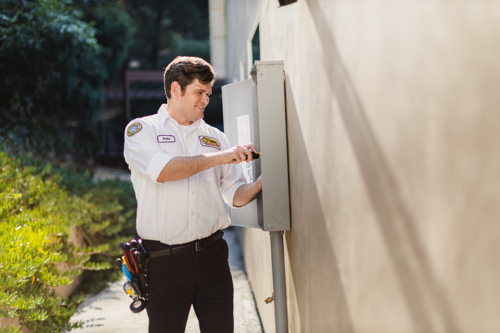
- List everything you need to power, from most to least essential.
- Find the starting wattage and running wattage for each item.
- Add the running watts together, then add the highest single starting wattage.
- Add 10%-20% to your total to determine your generator size.
- If you anticipate needing more power in the future, factor that into your calculations.
Here’s a quick guide to generator sizes:
- 10-14 kW: Powers essentials (lighting, refrigerator, sump pump, heater)
- 20-22 kW: Powers essentials and central AC
- 24-26 kW: Provides whole-house coverage for small and medium-sized houses
- 35+ kW: Powers homes with high electrical demands
If you’re unsure about what size generator you need, ask a pro for help. The electricians at Mister Sparky use specialized methods and software to accurately assess your electrical needs and help you choose the right model.
Choose the Right Spot for Your New Generator
Once you’ve narrowed down your options, you’ll need to find an outdoor spot for your generator that’s safe and sheltered, yet relatively close to your gas lines and electrical panel. This location should have plenty of airflow, be accessible for service, and be secure from intrusion. Usually, people install generators on the side of the house or near a garage, away from bedrooms and living spaces. Local codes usually require generators to be placed a certain number of feet away from the house to prevent exhaust fumes from coming indoors.
The pros at Mister Sparky can help you decide where to put your new generator. For long-term stability, you should place your unit on a firm, level surface like a compact gravel base or concrete pad. You’ll also want to clear away any debris and vegetation in the area and keep water from pooling around it. The generator will have its own enclosure to protect it from the weather. If you have a shed or storage area nearby, make sure that it won’t block the generator or create a fire hazard.
Check Local Codes and Get Your Permits
As you’re deciding where to place your generator, you also need to consider local building codes and secure the necessary permits. Mister Sparky’s generator installation can help you get your permits and handle the paperwork, but you’ll want to educate yourself about the process to ensure things go smoothly. Discussing concerns beforehand can prevent hassle later, so make sure you’re in compliance.
Schedule Your Installation
Generator installation isn’t a DIY job; before you run your unit, you’ll need to hire installers to hook it up. It takes specialized knowledge to connect your generator to your electrical panel and fuel supply lines. Your installation team will include licensed electricians and plumbers or gas fitters who can ensure that your setup is functional, safe, and up to code.
Before the installation begins, your electrician will inspect your wiring and main panel to ensure that they’re sound, accessible, and able to handle your power requirements. They may also coordinate with a contractor to lay down your generator pad.
After making any necessary repairs and upgrades, your electrician will connect your generator to your panel and set up the transfer switch, which allows the generator to supply power and prevents backfeeding into the grid. Next, the plumber or gas fitter will check your natural gas line or propane tank for breaks, broken seals, or other hazards and connect your fuel source to your generator.
Test Your System
Once your generator is installed, you’ll need to have an inspector sign off on the job and ensure your generator is ready to use. After approval, your installation team should perform a full system check to ensure that everything works perfectly.
Testing your system involves making sure it can easily switch from using grid power to generator power and vice versa. Your team will check your fuel intake and electrical outputs to fuel intake to ensure that you’ll have no problems using your unit during a real power outage.
After testing your generator, your installers should also show you how to run it safely. Don’t be afraid to ask questions; feeling confident about using your generator is key to being prepared in an emergency.
For New Generator Installation in Birmingham, Trust Mister Sparky
When you’re ready to make your home blackout-proof with a new generator, call Birmingham Mister Sparky. Our experts are committed to making sure you have power, no matter the Alabama weather. Reach out to us today, and remember, whenever you need an electrician, don’t put up with any malarkey; call Mister Sparky!
