Why It’s Important To Get An Electrical Inspection When Buying A New Home
You’ve found what seems to be the perfect new home for your family, and you’re ready to sign on the dotted line. The new home meets all of your expectations for location, size, layout, and more. However, the reality is that even the most beautiful home could be hiding secrets behind the walls.
You can’t know what condition a home’s major systems are in without a professional inspection, and this includes the electrical system. An electrical inspection is a surefire way to learn about the condition of your new home’s electrical system before finalizing your purchase. Here’s a closer look at why you need to schedule an electrical inspection before buying a new house.
Safety Concerns
Something as seemingly harmless as a flickering light in the hallway could be a major indicator of faulty electrical wiring. While it’s hard to overlook a flickering light, some issues with wiring and connections aren’t so easy to identify on your own. Such issues pose serious safety hazards to you and anyone else who spends time in the home. These hazards include electrocution and electrical fires. Through a thorough inspection, you’ll learn about safety concerns before taking ownership.
Building Codes
If you’re buying a home that’s even a few years old, there’s a chance that the electrical system no longer meets local building regulations. These regulations change from time to time to ensure that homes are as safe and energy efficient as possible. After buying a house with code violations, the need to bring the home up to code becomes your responsibility. It’s best to know exactly what expenses you face before finalizing your purchase.
Repair Needs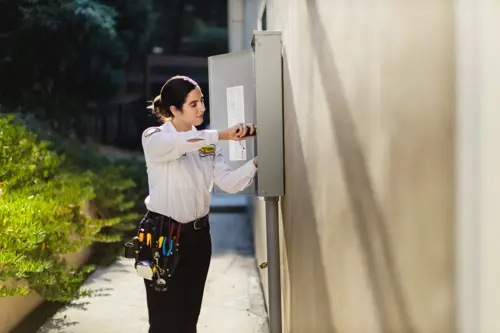
The last thing you want is to inherit expensive electrical system repair bills from the previous owner. It can be especially daunting to learn about issues with the electrical system after the ink has dried on the sales contract. During an inspection, your licensed electrician will inspect the circuit breaker panel, the output, grounding, and other key factors. You’ll receive a written report outlining all findings and repair recommendations.
System Capacity
With more appliances and electronics in modern homes today, electricity supply needs have increased in many homes. An electrical system that met the needs of a typical household even 10 years ago may no longer be sufficient for the typical home today. Perhaps you have greater electricity needs than the typical home, such as if you have a special hobby or work remotely. An electrical inspection is the best way to ensure that you’ll have enough electricity in different areas of your home to meet all of your needs.
Confident Negotiations
Often, a buyer’s real estate agent will use known repair costs as leverage for negotiations. Consider, for example, if you learn from your electrical inspection that $5,000 of work is needed to bring the house up to code. Your real estate agent may negotiate for that work to be completed before closing or for a reduction in the sales price. The electrical inspection report gives your real estate agent leverage for successful negotiations.
Insurance Costs
In some instances, your property insurance company will need more information about the electrical system in the home. Your insurer may require an inspection before finalizing your home insurance cost. If the inspection is not required, you may qualify for a lower premium based on the findings outlined in the report.
The electrical system in your new home affects everything from your access to electricity and repair costs to your personal safety, potential for property damage, and more. The best way to fully understand the condition of the electrical system is by scheduling a professional inspection. For all of your electrical service needs, you can count on our team at Birmingham Mister Sparky to do great work. Don’t put up with malarky, call Mister Sparky!

FAQ’s – Electrical Inspections
Do I really need an electrical inspection when buying a home?
Yes. Even a home that looks perfect on the outside can have hidden electrical issues behind the walls. A professional inspection reveals safety hazards, code violations, and repair needs before you finalize your purchase, so you’re never caught off guard after signing.
What safety risks can a bad electrical system create?
Faulty wiring and poor connections can cause electrocution and electrical fires. Some warning signs, like a flickering light are easy to spot, but many dangerous issues are invisible without a professional inspection. Catching them early protects you and everyone in the home.
What does an electrician actually check during an inspection?
A licensed electrician will inspect the circuit breaker panel, electrical output, grounding, and look for signs of DIY disasters. At the end, you’ll receive a written report detailing all findings and any recommended repairs, giving you a clear picture of the system’s condition.
Can an older home fail to meet current electrical codes?
Absolutely. Building codes are updated regularly to improve safety and energy efficiency, so even a home that’s only a few years old may no longer comply. Once you own your new home, bringing it up to code becomes your financial responsibility, so it’s critical to know before you buy.
Can the inspection report help me negotiate a better price?
Yes. Inspection findings give your real estate agent concrete leverage in negotiations. For example, if the report identifies $5,000 in needed repairs, your agent can negotiate for the seller to complete the work before closing or reduce the sale price accordingly.
Could an inspection affect my homeowner’s insurance?
It can work in your favor. Some insurers require an inspection before finalizing coverage costs. Even when it’s not required, a clean inspection report may qualify you for a lower premium, since it demonstrates the home’s electrical system is in good condition.
What if the home’s electrical system can’t handle my needs?
Electrical demands have grown significantly in modern households. An inspection will assess whether the system has enough capacity for your appliances, electronics, and any special needs, like a home office or hobby equipment so there are no surprises after you move in.